
Employee Pricing For All

AMERICAN VALUE. FOR AMERICAN VALUES.
Ford has spent more than 120 years helping move America forward, earning its place on roads, job sites, driveways, and in family memories across the country. Now named the Most Iconic Company in America by TIME and Statista, Ford is celebrating that legacy as the nation approaches its 250th birthday with the AMERICAN VALUE. FOR AMERICAN VALUES. Employee Pricing Event.
Blake Ford in Franklin, VA, is proud to participate in this limited-time event, giving eligible shoppers access to Employee Pricing on select eligible new Ford vehicles. It’s a meaningful opportunity to upgrade with confidence, enjoy real value, and drive home in a Ford vehicle that fits your way of life.
Employee Pricing For A Limited Time
For a limited time, eligible shoppers can take advantage of Employee Pricing on select eligible new Ford vehicles at Blake Ford during the AMERICAN VALUE. FOR AMERICAN VALUES. Employee Pricing Event. This national Ford event celebrates the values that have shaped the Ford legacy for generations: hard work, craftsmanship, dependability, innovation, and a lasting commitment to communities across America.
Ford has long been part of the American story, helping drivers show up for the workday, the school run, the family trip, the growing business, and everything in between. Today, that same purpose continues across a lineup of capable Ford trucks, versatile Ford SUVs, hardworking Ford vans, performance vehicles, and electric vehicles designed for the way Americans drive.
Employee Pricing Made Simple
The AMERICAN VALUE. FOR AMERICAN VALUES. Employee Pricing Event is a national Ford program available through participating dealers from May 1, 2026, through July 6, 2026. During this event, eligible customers can receive Employee Pricing on select eligible new Ford vehicles.
Eligible vehicles may include select new 2025 and 2026 Ford models, such as the Ford Mustang, Ford Mustang Dark Horse, Ford Mustang Mach-E, Ford Bronco Sport, Ford Bronco, Ford Expedition, Ford Maverick, Ford Ranger, Ford F-150, Ford Transit Van, Ford E-Transit, Ford Bronco Raptor, Ford Bronco Stroppe Edition, Ford F-150 Lightning, Ford Super Duty, Ford Escape, and Ford Explorer. Eligibility varies by model year, trim, delivery type, availability, and program rules, and some specialty vehicles are excluded.
Our team at Blake Ford can help you confirm which vehicles in our inventory qualify, review current pricing, and walk you through your options.
Shop AMERICAN VALUE. FOR AMERICAN VALUES. in Franklin, VA
Ford vehicles are woven into the daily lives of drivers across the country, from work sites and school drop-offs to road trips, errands, and weekend escapes. Here in Southwest Virginia, Blake Ford is proud to help drivers from Franklin, Norfolk, Courtland, Newport News, and surrounding communities find dependable Ford vehicles that fit their lives.
Whether you’re interested in a capable Ford F-150, a versatile Ford Explorer, an adventure-ready Ford Bronco Sport, an efficient Ford Mustang Mach-E, a practical Ford Maverick, or another eligible new Ford vehicle, this event gives you a timely reason to shop.
Why Shop With Blake Ford?
At Blake Ford, we believe the right dealership experience should feel clear, helpful, and easy from the start. Our team is here to provide upfront guidance, answer your questions, and help you compare eligible Ford models with confidence.
During the AMERICAN VALUE. FOR AMERICAN VALUES. Employee Pricing Event, you can shop online or visit our dealership in Franklin, VA, to explore qualifying new Ford inventory. We’ll help you understand Employee Pricing, review available incentives, and find a vehicle that makes sense for your lifestyle, your business, and your budget. When you shop with Blake Ford, you’re working with a local dealership that values honesty, hospitality, and doing right by our customers.
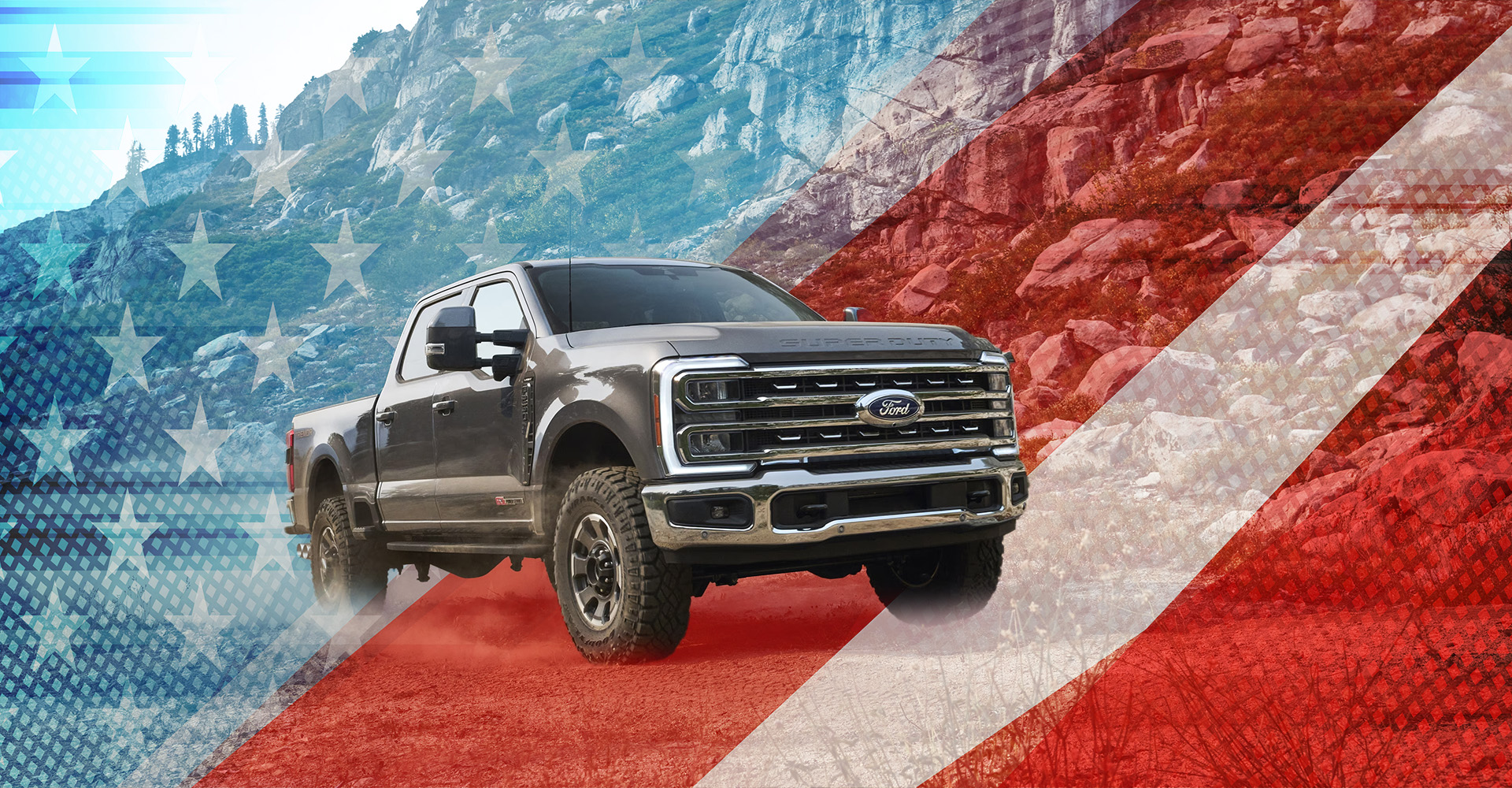
Shop the Event Before It Ends July 6, 2026
The AMERICAN VALUE. FOR AMERICAN VALUES. Employee Pricing Event is only available for a limited time, from May 1, 2026, through July 6, 2026. Inventory and eligibility may vary, so now is the time to explore your options.
Visit Blake Ford in Franklin, VA, give us a call, or browse our new Ford inventory online today. However you choose to shop, our team is ready to help you take advantage of Employee Pricing on select eligible new Ford vehicles during this limited-time Ford event.
Virginia Title, Registration Fees, & Sales Tax

Understanding Title & Registration Costs
If you are planning to buy or lease through Blake Ford in Franklin, VA, it is important to understand how Virginia title and registration fees fit into your total vehicle registration cost. Every time you title or register a passenger vehicle, pickup truck, or other vehicle type in the Commonwealth of Virginia, there are state and local charges to plan for. These costs, along with the Virginia car sales tax rate, all play a role in your final out-the-door price. Knowing how Virginia title and registration fees are calculated can make it easier to compare options, avoid surprises at the DMV, and budget for the full registration process from the start.
The Virginia Department of Motor Vehicles oversees vehicle registration fees, titling, and car registration rules for the state. While many drivers only think about Virginia title and registration fees when they are standing in line at the DMV office, it is smart to factor in these DMV fees when you choose your vehicle at Blake Ford in Franklin, VA. If you have ever wondered “How much are tags in Virginia?,” the answer depends on several pieces of your registration cost that this guide will help explain. This guide walks through how Virginia title and registration fees work, the required documents you will need, and how the team at Blake Ford in Franklin, VA, can help you move through each step smoothly.
What Makes Up Virginia Title and Registration Costs?
When you register your vehicle in Virginia, you pay several separate items that, together, are referred to as Virginia title and registration fees. First, there is a vehicle title charge, often called a titling fee, which covers the creation of your official title certificate, also called the Certificate of Title. This document links you as the vehicle owner to a specific Vehicle Identification Number and vehicle record, and it is required before you can complete new registration in the Commonwealth of Virginia.
Next, you will see vehicle registration fees and a license fee, which allow you to legally drive on public roads. The exact vehicle registration cost depends on the type of vehicle, its gross weight, and its empty weight. A heavier pickup truck will usually have higher Virginia title and registration fees than a lighter passenger vehicle, and certain vehicle types used for business may carry additional fees or an additional charge under the state fee schedule. Blake Ford can walk you through how your chosen vehicle type affects these DMV fees before you finalize your buyer’s order.
Taxes are another major part of Virginia title and registration fees. You will owe sales tax on the purchase price or sale price of your vehicle, and in some situations, a use tax may apply. On top of state sales tax, your locality may charge a recurring car tax based on the assessed value of your vehicle. We can help estimate these amounts ahead of time, so that Virginia title and registration fees are built into your budget, not tacked on as an unwelcome surprise later.
Getting a Virginia Title Through Blake Ford
Anytime you purchase a vehicle in Virginia or move here from a previous state, you will need a Virginia title issued in your name. The vehicle title proves legal ownership and is created from a combination of required documents. For a typical purchase at Blake Ford, you will provide a bill of sale, also called a Buyer’s Order, proof of purchase price, and, for some deals, a vehicle price certification that matches the purchase price you agreed to pay. These documents allow the Virginia DMV to confirm the sales tax owed as part of your Virginia title and registration fees.
If the vehicle was titled in a previous state, the prior Title Certificate and title number must be surrendered during title transfers. For brand-new units, the dealership will submit the Manufacturer’s Certificate, also called the Manufacturer’s Certificate of Origin, so that a Virginia title can be issued in its place. In every case, the DMV will need a completed application and other required documents to attach the title to the correct Vehicle Identification Number and vehicle record on file with the Virginia Department of Motor Vehicles.
New resident drivers moving into Virginia have their own timeline for obtaining a Virginia title. When you relocate from a previous state, you will bring your out-of-state documents, proof of address, and a completed application to the DMV office or work through Blake Ford if you are purchasing a replacement vehicle at the same time. This is an ideal moment to let the dealership roll your Virginia title and registration fees into your deal so you can handle vehicle registration and auto insurance changes in a single coordinated visit.
How to Register Your Vehicle in Virginia
Once the title work is in motion, the next step is to register your vehicle so you can legally drive it in the Commonwealth of Virginia. To register your vehicle, you will complete a registration application and submit it with proof of auto insurance that meets state insurance coverage requirements. Your policy must meet minimum liability insurance coverage and insurance limits before a new registration will be issued.
The Virginia DMV online services may also ask for your vehicle inspection paperwork and emissions information, depending on where you live and the type of vehicle you own. Some areas require an emissions test for certain vehicle types, while electric vehicles may have different inspection requirements. During this stage of the registration process, your driving record, valid driver’s license, and any related ID cards can also be reviewed, especially if you are registering in Virginia for the first time. All of these pieces come together with your Virginia title and registration fees so the DMV can issue your registration proof and license plates.
Taxes, Exemptions, and Special Situations
Many drivers only think of Virginia title and registration fees as one number, but taxes and exemptions can make that number higher or lower. Sales tax and use tax are calculated from the purchase price or sale price documented on your bill of sale, proof of purchase price, or vehicle price certification. Some buyers qualify for a tax exemption, such as certain disabled veterans, active-duty members of the U.S. Armed Forces, or other Armed Forces personnel under specific programs. In some cases, law enforcement officers may also be eligible for specialized programs or local relief related to the car tax or Virginia title and registration fees.
There are additional situations where Virginia title and registration fees may be adjusted. For example, a new resident bringing a vehicle from a previous state may already have paid a similar use tax and could avoid double taxation if the Department of Transportation rules allow a credit. Some vehicles used for specific purposes may qualify for specialized vehicle registration exemptions or reduced DMV fees. Blake Ford can help you review any possible tax exemption opportunities, so you are not paying more than necessary during vehicle registration.
Local governments also play a role in how you experience Virginia title and registration fees. Your locality controls personal property, car tax rates, and some enforcement. If your registration proof is not current, local law enforcement officers, including those from a sheriff’s office, can cite you for expired tags or missing registration. Staying on top of vehicle registration costs and renewal requirements protects you from tickets and keeps your record clean.
Renewals, Late Fees, and Keeping Your Registration Current
Once your initial Virginia title and registration fees are paid, you will move into the ongoing cycle of vehicle registration renewal. Each year or every few years, depending on the option you chose, you will pay a renewal fee and any current car tax or local tax owed to keep your registration proof valid. Vehicle registration renewal can usually be handled online with a credit card, by mail, or in person.
The Virginia DMV sends renewal reminders in advance of your expiration date, but it is still your responsibility to act before late fees apply. Ignoring vehicle registration renewal deadlines can quickly increase Virginia title and registration fees, as penalties, additional fees, and processing fees are added. For drivers who prefer help with keeping track of dates and paperwork, Blake Ford can review your renewal notice during service visits and help you confirm that your registration proof, auto insurance, and vehicle inspection are all up to date.
How Blake Ford in Franklin, VA, Simplifies the Paperwork
The paperwork behind Virginia title and registration fees can feel overwhelming, especially if this is your first time purchasing in the state. When you work with Blake Ford in Franklin, VA, much of the administrative work is handled for you. The dealership team can package your completed application, registration application, required documents, and supporting items such as ID cards, driver’s license copies, insurance coverage requirements confirmations, and auto insurance details so that your visit to the Virginia DMV is straightforward.
Many customers also appreciate that Blake Ford in Franklin, VA, can help you understand service fees, processing fees, and any additional charge that might appear when you pay Virginia title and registration fees with a credit card. Whether you are handling car registration as a new resident, navigating title transfers from a previous state, or scheduling vehicle registration renewal, the dealership can offer clear guidance. With organized paperwork and registration proof in hand, you can drive away confident that your Virginia title and registration fees have been handled correctly and that your vehicle is fully compliant in the Commonwealth of Virginia. Visit us today in Franklin, VA!
How Do You Get A Lower Monthly Car Payment?

How Your Tax Refund Can Help You Drive Home With a Lower Car Payment
At Blake Ford in Franklin, VA, we meet a lot of drivers who look at their statement and immediately wonder, “How do I lower my monthly car payment?” If you are expecting a tax refund this year, it can be a powerful tool for reshaping your car loan payment and overall personal finance plan. Many shoppers search online for how to get a lower car payment, but the real answers depend on your unique financial situation, your current car, and where you are in the car-buying process. Our goal is to walk you through practical, real-world ways to turn that refund into a smarter car purchase or refinance so you can feel more confident every time you make payments.
Whether you are shopping for a new car, thinking about a reliable used car, or looking to adjust an existing loan, your refund can act like an instant larger down payment or a targeted lump sum toward what you already owe. Using that amount of money wisely can reduce your monthly costs, cut the amount of interest you pay over time, and ease the financial burden that comes with keeping a vehicle in your budget while you stay focused on how to get a lower car payment that truly fits your life.
What a Lower Monthly Payment Really Means for You
When you ask us how to get a lower car payment, we start by looking at the numbers behind your monthly loan payment. The key ingredients are your total loan amount, interest rate, loan term, and any taxes or fees that were rolled into your car purchase. Changing even one of these pieces can unlock a lower monthly payment, but each choice affects the overall cost of the vehicle in a different way.
A larger down payment using your tax refund immediately reduces the loan amount and the principal balance, which means you are financing a smaller remaining balance from day one. That can help you qualify for a lower interest rate or a lower rate overall and pay less interest across the full time frame of your contract. If you choose a longer loan term, you will usually see a lower payment each month, but a longer term also increases the amount of interest you pay. A shorter term loan often carries a higher monthly bill, yet it can be a good idea if your goal is to pay less interest and own the vehicle free and clear sooner, especially if your top priority is how to get a lower car payment over the life of the loan.
Your credit report also plays a big part. Drivers with a higher credit score or even excellent credit often qualify for strong auto loan rates, while shoppers with lower credit may face higher interest rates at first. The good news is that as you stay in good standing on your account and avoid missed payments, your profile can improve over time, and that opens doors for future changes that support how to get a lower car payment.
Turning Your Tax Refund Into a Powerful Down Payment
One of the simplest answers to how to get a lower car payment is to bring more money to the table on day one. When you apply your tax refund as part of a larger down payment on a new vehicle or on used vehicles that fit your lifestyle, you shrink the loan amount and reduce the remaining loan balance before you even drive off the lot. That can also reduce the sales tax you pay on your car purchase, depending on how your deal is structured in Franklin, VA.
Your refund can team up with the trade-in value from your current car to build that down payment. Using tools such as Kelley Blue Book helps you estimate your car’s current value and car’s value so you can walk into the showroom informed and ready to negotiate. If you can sell your vehicle through a private sale for more than the trade figure, that extra cash can go straight toward your down payment and move you closer to your goal of how to get a lower car payment.
In some cases, using part of your refund to pay down your existing loan is the smart move. Reducing your principal balance ahead of schedule can lessen the negative impact of being upside down on the vehicle and may qualify you for gap insurance or strong refinancing terms sooner. Before you do this, talk with our team at Blake Ford in Franklin, VA, about any prepayment penalties in your contract, so you know exactly how much of your tax refund is going toward how to get a lower car payment instead of fees.
Using Your Tax Refund to Restructure or Refinance
If your vehicle already fits your needs but the payment doesn’t, your tax refund can help you refinance your auto loan to reshape the terms of your agreement. By paying down part of the balance and then applying for a new loan with different lenders, you may qualify for a lower interest rate. This strategy is especially helpful if you started with a high interest rate due to bad credit, and you have since worked hard to rebuild your profile and learn how to get a lower car payment going forward.
When you sit down to talk with your current lender, they will review your credit report, your recent payment history, and whether you are in good standing. A stronger credit history, fewer hard inquiry entries, and an improved credit score can all make it easier to secure a lower car payment through updated terms. We can also help you compare offers from a local credit union, banks, and other financial institutions so you can see how to get a lower car payment without taking on more risk than you are comfortable with.
Changing the structure of your loan can take several forms. Some drivers look for a loan modification with their existing lender, which might adjust the loan term, payment due date, or fees to ease short-term pressure. Others prefer classic refinancing, choosing a longer loan term to create a lower monthly payment or opting for a shorter term that focuses on paying less interest in the long run. Either way, your tax refund can reduce the remaining balance first, so you end up paying less interest on a smaller principal over the life of the agreement, and stay focused on how to get a lower car payment that fits your budget.
Deciding Whether to Trade, Keep, or Upgrade Your Vehicle
For some guests, the best way to improve their budget is to rethink the vehicle itself. That might mean trading in for one of our top picks of fuel-efficient used vehicles, choosing a modest new vehicle instead of a fully loaded model, or even paying down an existing loan and driving your current car for a few more years. Your tax refund can help with any of these paths, whether you want to boost your trade-in value, reduce your remaining loan balance, or simply save for upcoming maintenance so you can make payments on time while still working toward how to get a lower car payment that feels realistic month after month.
As you compare options, we will walk you through the car-buying steps from a budget-first angle. Together, we can look at your monthly loan payment, expected monthly costs like fuel and insurance, and how your tax refund can lower the car loan payment itself. We also talk through whether you want a short-term plan to simply get through a tough season or a longer loan term that prioritizes a lower monthly payment for the long haul. All of this fits into a bigger car-buying strategy focused on how to get a lower car payment, not just this year but over the life of the vehicle.
Another simple way to lower your car payment over the life of the loan is to use your tax refund to make a few extra payments throughout the year. Even small additional amounts applied directly to principal can shorten your term, reduce the amount of interest you pay, and give you flexibility if you ever face a tight month later on, while still aligning with your plan for how to get a lower car payment in the long run.
Putting It All Together at Blake Ford in Franklin, VA
When you are ready to talk through how to get a lower car payment with your tax refund, our team will start with a simple conversation about your goals. Are you hoping to refinance an existing loan, exploring a new auto loan for a different model, or curious whether a loan modification could help you stay in good standing with your current lender? Do you want to focus on less interest paid, a lower interest rate, or a shorter term that clears the balance quickly? Your answers guide us toward the combination of car purchase choices and financing options that match your financial position.
We also explain how different lenders look at your credit report, credit history, and recent activity. If you are aiming for a refinance in the near future, making on-time payments, avoiding new hard inquiry marks unless necessary, and keeping your accounts in good standing can all improve your chances of qualifying for a lower rate. Over time, this can translate into a noticeably lower car payment and give you more room in the budget for other priorities tied to lowering your car payment.
Your tax refund is a powerful tool, and when you pair it with clear advice, it can move you closer to how to get a lower car payment in several ways at once. Whether that means putting the money toward a larger down payment on a new car, using it to chip away at the principal balance on an existing loan, or exploring auto refinancing with a credit union or other financial institutions, our team is here in Franklin, VA, to help you choose the path that feels like a good option for your life.
How To Budget For A New Car? Tips & Advice

Smart Car Budgeting: A Step-by-Step Guide
Buying a new vehicle from Blake Ford of Franklin, VA, is exciting, but it is also a big financial decision. Long before you pick colors or compare trim level options, you should think through how to budget for a new car in a way that fits your life and your future plans. When you look beyond the sticker price and focus on your own numbers, you can keep car shopping focused on a realistic budget instead of guesswork.
This step-by-step guide walks car buyers in Franklin, VA, through how to budget for a new car using clear, practical steps. You will look closely at your monthly income and expenses, understand the total cost of the vehicle, compare financing options, and prepare for ongoing expenses such as fuel costs, auto insurance, and routine maintenance costs. With a solid plan in place, you can visit Blake Ford of Franklin, VA, knowing how much to spend on a new car and move forward with confidence.
Start With Your Income and Everyday Bills
The first step in learning how to budget for a new car is to understand your cash flow. Begin by adding up your monthly take-home pay from all sources, including wages, side income, and any regular deposits into your bank account. Looking at monthly income alongside your annual income helps you see the full picture of your financial situation instead of focusing on a single paycheck.
Next, list out your recurring monthly expenses. Include housing, utilities, groceries, subscriptions, child care, and payments on credit cards, student loans, and other obligations. Once you see how much is already committed each month, you can start shaping a monthly budget that includes room for a monthly car payment without crowding out other priorities. Many drivers in Franklin, VA, find it a good idea to keep transportation within a set slice of their spending so car-related expenses do not overwhelm the rest of their goals.
A common good rule you will see in financial advice is to keep all car costs, including fuel expenses, insurance costs, and parking, within a reasonable share of your income. That guideline serves as a good rule of thumb as you decide how to budget for a new car, leaving space for a savings goal and an emergency fund. If the numbers feel tight, adjusting expenses before starting a vehicle purchase can make the entire plan more comfortable.
See the Full Price Beyond the Window
Once your income and bills are clear, the next step in budgeting for a new car is understanding the full cost of car ownership. The sticker price or suggested retail price on a vehicle at Blake Ford of Franklin, VA, is an excellent starting point. To understand the total cost, you also need to factor in sales tax based on the local tax rate, registration fees, documentation charges, and other additional costs that show up on the final paperwork.
From there, shift your focus to ongoing expenses that you will face during the life of the loan. Ownership costs, such as auto insurance, routine oil changes, tires, brakes, and other maintenance, all play a role in the vehicle’s cost over time. Fuel economy matters, too; a vehicle with strong fuel efficiency will keep fuel costs and fuel expenses more predictable, while a less efficient model may raise car costs each month.
If you are comparing car models or different model years, look at how their ownership costs and projected resale values differ. A vehicle with a reputation for durability and solid resale value can help you protect the car’s trade-in value when you return to Blake Ford of Franklin, VA, for your next vehicle. Working these details into how to budget for a new car keeps the focus on long-term value, not just today’s price tag.
Plan Your Down Payment and Financing Strategy
With the big-picture costs in mind, the next step in how to budget for a new car is shaping your down payment and financing plan. If you currently own a car, its trade-in value can lower the upfront cost. Knowing this number in advance lets you predict the loan amount you will need to cover the remaining cost of the vehicle.
Your credit score and credit history will influence your loan interest rate, available loan term choices, and approval with different lenders. Many shoppers apply with a local credit union, their own bank, and Blake Ford to compare financing options, including offers from third-party institutions. It is helpful to see how a 48-month loan, 60-month loan, or even a longer-term loan changes both the monthly car payment and what you pay over the life of the loan.
As you think through how to budget for a new car, consider whether a larger down payment fits your savings goal. A higher upfront cost can reduce loan payments and loan interest over time, which can free space in your monthly budget for other goals. If the numbers feel tight, it may be wise to give yourself more time to save before committing to a vehicle purchase, especially if you are working toward your first car and still building credit.
Use Online Tools, Credits, and Calculators
Before you visit Blake Ford, online resources can help you see how to budget for a new car in real numbers instead of rough estimates. Start with an auto loan calculator or car affordability calculator and enter the sticker price, estimated sales tax, registration fees, and a likely interest rate based on your credit score, then compare those results with our online payment calculator tool to see how different vehicles and loan terms affect your monthly car payment. Adjust the loan term to see how a shorter schedule compares with a longer one and how each affects your monthly budget and overall car costs, so you can narrow in on a price range that feels realistic for your new car without straining your financial situation.
As you compare car models, note differences in safety features, trim level, model year, and fuel economy. These factors can influence insurance premiums, ownership costs, and even future resale value. Keeping notes on how each option fits your price range helps you fine-tune how to budget for a new car that aligns with both your financial situation and your driving needs in Franklin, VA.
Choose the Right Vehicle
Once your numbers are in place, you’ll be ready to bring how to budget for a new car into real life on the lot at Blake Ford. Share your target monthly budget, price range, and preferred loan term with our team so they can guide you toward car models that make sense. Whether you are shopping for your first car or upgrading your current ride, staying honest about your limits helps you focus on the right options.
During car shopping, think about how you will use your new vehicle day to day in Franklin, VA. Consider commute length, traffic patterns, weather, and how often you carry passengers or cargo. For some car buyers, compact options with strong fuel efficiency and lower car-related expenses are a smart fit. Others may look at crossovers, trucks, or electric vehicles that support hobbies, family needs, or work demands while still matching how to budget for a new car.
Don’t forget to think ahead to your next vehicle, as well. A model with solid market value and predictable ownership costs can make it easier to trade in your new vehicle in the future. That future trade-in value becomes part of your plan for how to budget for a new car again when it is time to upgrade.
Prepare For Insurance and Local Details
Another key part of how to budget for a new car is understanding how insurance fits into your plan. Before you finalize anything, request quotes from more than one insurance provider. Insurance rates and insurance costs will depend on your driving record, the vehicle you choose, and the safety features it offers. Comparing auto insurance quotes side by side can reveal how car prices and trim level choices influence premiums.
As you review policies, confirm how insurance premiums might change over time and how they fit alongside your other monthly expenses. Building those numbers into how to budget for a new car keeps your plan grounded in reality. You will also want to think about vehicle ownership details such as where you park, how many miles you drive annually, and any car-related expenses that are specific to where you live, like tolls or city parking permits.
Finally, make sure your paperwork expectations line up with your budget. Ask our team at Blake Ford of Franklin, VA, to walk you through every line item, including sales tax, tax rate, fees, and any additional costs tied to protections or warranties. When you see the entire structure of the cost of the vehicle and understand exactly how to budget for a new car, you can sign with confidence knowing your plan fits your bank account and your long-term goals.
Put Your Plan Into Action
By taking time to learn how to budget for a new car around your real numbers, you turn a big purchase into a thoughtful step in your financial life. You’ll have looked at monthly income, monthly expenses, and annual income, and have shaped a realistic budget that respects your savings account and emergency fund. You’ll understand how loan amount, loan term, and interest combine with taxes, fees, and ongoing expenses to create the total cost of car ownership.
When you bring that work to Blake Ford of Franklin, VA, you can focus every conversation on how to budget for a new car that fits your priorities instead of reacting in the moment. Whether you are choosing your first car or planning your next vehicle, your preparation helps ensure that your new car supports your lifestyle, your savings goal, and your long-term vehicle ownership plans in Franklin, VA.
Should You Put A Down Payment On A Car? Pros & Cons

Making a Down Payment on a Car: Saving On Your Monthly Payment
When tax season hits and that refund lands in your account, it is completely normal to start wondering if you should put a down payment on a car or keep that cash tucked away. For many car buyers, that once-a-year money is the perfect excuse for a new car purchase or an upgrade to a newer, safer model. The key is deciding whether turning your tax refund into a payment for a car is a smart financial decision for you.
A down payment shapes your monthly car payment and the total cost of the vehicle over the life of the loan. Whether you are eyeing a new vehicle or a used car, using your tax refund as part of the down payment can change your loan balance, loan-to-value ratio, and even the annual percentage rate you qualify for. In other words, answering the question, “Should you put a down payment on a car with your tax refund?” can have a big impact on both your short-term budget and your long-term personal finance goals. This guide from Blake Ford will help you weigh the pros and cons of a large down payment on a car before you make the drive to Franklin, VA, and start the car-buying process. Visit us today in Franklin, VA!
What Is a Down Payment and Why Does It Matter?
A down payment is the initial amount of money you pay up front when purchasing your car. This upfront payment reduces the cost of the vehicle you need to finance, which lowers the loan balance and the payment amount you will owe each month. Whether you are buying a new car or shopping for used vehicles, your down payment can come from cash, your tax refund, the trade-in value of your old car, or a combination of all three.
By putting money down at the time of your vehicle purchase, you signal commitment and stability to lenders who are reviewing your credit history, credit rating, and overall financial situation. They usually see a substantial down payment as lower risk, which can lead to better loan terms and a low interest rate or lower rate compared to someone who puts less money down. For borrowers with excellent credit, a strong down payment can help unlock the very best financing options the lender offers.
If you are asking yourself whether you should put a down payment on a car with your tax refund, remember that those dollars can instantly improve the value ratio between the loan and the car’s value. A stronger loan-to-value ratio not only improves your loan conditions but can also help you qualify for better terms in the future when you shop for your next car.

How Down Payments Affect Car Financing
Making a down payment changes your car financing in several important ways, and there’s much to consider in deciding if you should put a down payment on a car. First, it lowers monthly payments by reducing the principal you borrow. A smaller balance means a more manageable monthly loan payment that is easier to fit into your monthly income. For many drivers, this is the biggest reason they decide to put a down payment on a car instead of financing the entire price.
Second, a down payment improves the loan-to-value ratio. Since lenders are financing less money relative to the car’s value, they see the loan as less risky. That can translate to a lower interest rate, fewer payment requirements, and sometimes a shorter loan term if you choose to pay the car off more quickly. Over the long run, this typically reduces overall interest paid on the loan.
A healthy down payment also helps you avoid negative equity, where you owe more than the cash value of the car. When deciding if you should put a down payment on a car, you should remember that negative equity is more likely with long car loan terms and higher interest rates, especially if you have bad credit or a low credit score. Once again, that tax refund can help you decide if it is better to put more money down on a car now so that you are better protected later.
Benefits of Making a Down Payment With Your Tax Refund
Using your tax refund as a down payment on your new vehicle or used car offers several built-in benefits. An immediate perk is a lower monthly payment on your car, which frees up room in your budget. That extra breathing space can be redirected toward building an emergency fund, paying down a student loan, tackling high-interest credit card balances, or anything else that helps your financial situation.
A down payment can also help you qualify for a better interest rate, especially if lenders see a pattern of responsible behavior in your credit history and credit rating. When they see you are willing to bring a sizable down payment from your own funds, such as your tax refund, they may offer a more competitive annual percentage rate. Over the life of the loan, this means less interest and lower total cost. In many cases, it simply makes financial sense to direct some of that refund toward your car payment, and whether you should put a down payment on a car.
There is also a big asset protection benefit, as cars tend to depreciate quickly, particularly in the first years after a new car purchase. Putting money down helps you stay ahead of that depreciation. If you ever need to sell or trade in early, a strong down payment reduces your risk of being upside down on the loan. When you think through whether you should put a down payment on a car using your refund, this early equity is one of the most underrated benefits.
How Much Should You Put Down on a Car?
General Rules for New and Used Cars
A general rule many experts use is 20% down on a new car and 10% down on a used model. For a new vehicle, a 20% down payment is considered a good down payment because it offers protection from rapid depreciation and can help secure favorable loan terms. For a used car, a 10% down payment often balances a comfortable upfront cost with solid loan conditions, especially when the average price of the car is lower.
If you are debating whether you should put a down payment on a car or keep more cash in the bank, your tax refund can act like a shortcut to those percentages. For example, if your refund equals about 10% of the car’s price, you already have a strong starting point, and you can add your trade-in value to build an even stronger down payment.
Factors to Consider for a Good Down Payment
Even when you know roughly what a good down payment looks like, it is important to consider the size of your down payment in the context of your entire financial situation. Your savings account, emergency savings, and existing debts all influence whether a large down payment is a good idea for you right now.
You might start with a simple question: “How much should a car down payment be for my budget?” An auto loan calculator can help you see how the size of your down payment changes your monthly loan payment, car loan length, and overall interest paid. Looking at these numbers side by side can make it much easier to decide whether you should put a down payment on a car with your refund or keep some of that money liquid for other priorities.
The Pros and Cons of a Large Down Payment
A bigger down payment can feel empowering, but there are real trade-offs worth weighing. Understanding whether it’s better to put more money down on a car keeps you from making a decision based on emotion alone.
On the positive side, a large down payment or substantial down payment typically means a lower monthly payment, less interest over the life of the loan, and a better loan-to-value ratio. All of this can help you secure better loan terms, protect against negative equity, and enjoy more predictable costs in the long run. Many car buyers who can bring a large down payment from a tax refund appreciate how it lowers monthly payments and gives them more room in the rest of their budget.
However, there are also disadvantages to a large down payment on a car. Tying up too much of your tax refund in your car can leave you short on emergency savings, which may create stress if a job change, medical bill, or home repair pops up. Another downside is that putting a large amount into a rapidly depreciating asset can limit how quickly you build wealth elsewhere. When you ask yourself again whether you should put a down payment on a car as big as possible, remember that there is such a thing as putting down too much, especially if it empties your safety net.
Leasing vs. Financing and Your Tax Refund
Leasing and financing treat down payments using tax refunds a little differently. With leasing, your tax refund might cover your upfront costs, the first few payments, or reduce the payment amount slightly. Since leasing is essentially renting, you do not build equity, and your primary focus is usually keeping your monthly car payment low and predictable.
Financing, on the other hand, turns that refund into real equity. When you finance and decide that you should put a down payment on a car using your refund, you are choosing to own the vehicle at the end of the term. A stronger down payment when financing can help you secure favorable loan terms, shorten your car loan length, and reduce overall interest paid. Since a car loan is a financial product, you want to structure it in a way that aligns with how long you plan to keep the vehicle and how much flexibility you want in the rest of your budget.
In both cases, understanding the average price of the models you are considering and how the down payment changes your monthly car payment is essential. Our dealership will walk you through the numbers so you can see exactly how your tax refund affects each scenario before you decide whether you should put a down payment on a car with it.
Ready to Put a Down Payment on a Car With Your Tax Refund?
Truthfully, there is no single answer that fits every driver. For many people, using at least part of a tax refund for a down payment is a good idea, especially if it helps avoid negative equity and brings lower monthly payments within reach. Before you decide definitively whether you should put a down payment on a car with all or part of your tax refund, take a moment to compare offers, consider different financing options, and run the numbers.
If you want to keep digging into these topics, visit Blake Ford’s finance team for more resources on down payments, interest rates, and budgeting for your next car. With the right information in hand, you can turn this year’s tax refund into a smart move for both your car and your overall financial health. Visit us today in Franklin, VA!

Your Tax Refund, Your Dream Drive
Tax season is here, and it’s the perfect time to take advantage of tax season car deals. Whether you’re looking for a new vehicle or exploring pre-owned cars, this time of year brings plenty of special offers and incentives for car buyers. From cash back options to lower interest rates, there’s never been a better time to upgrade to your next vehicle. Car dealerships will often roll out their best deals during tax time, making it easier to find the perfect vehicle for your needs. With opportunities to use your income tax return for a down payment or explore financing options, tax season offers an ideal chance to save on a new car, SUV, truck, or a reliable pre-owned vehicle. Shop our current specials and latest offers at Blake Ford to get the best price and drive away with a great deal.
Why Tax Season Is the Best Time to Shop for a New Ride
Use Your Income Tax Return Wisely
Tax season is a great time to put your income tax return to good use by investing in your next vehicle. Applying extra money from your tax refund toward a down payment can significantly lower the purchase price or monthly payments for your new ride. This approach can make owning your dream car more affordable while giving you a fresh start for the year. Whether you’re searching for a new vehicle or a pre-owned vehicle, using your tax refund strategically can maximize your savings during the car-buying process.
Special Tax Season Offers at Blake Ford
Limited-time offers are often introduced during tax season to attract car shoppers. Our current offers may include cash-back incentives, lease offers, and low-interest financing options. Taking advantage of these special deals can help you find the perfect vehicle at a lower cost, whether it’s new or pre-owned.
With a wide selection of models available, tax season is the perfect time to explore vehicles that suit your personal use. From family-friendly SUVs to compact sedans, we stock new inventory and certified pre-owned cars to meet every need.
Fill out a credit application today to get started and speak with our team about getting the most out of car deals during tax season. Don’t miss the opportunity to secure a great deal while these offers last!

Explore the Best Deals on New and Used Vehicles
If you’re in the market for a new vehicle, tax season is the ideal time to browse the latest models. Search vehicles equipped with cutting-edge technology and advanced safety features designed to enhance your driving experience. Once you’ve found a model that fits your needs, schedule a test drive to ensure it’s the perfect vehicle for you. A test drive helps you experience the car’s performance, comfort, and features firsthand. With tax season car deals in full swing, now is the best time to upgrade to a new ride that checks all your boxes.
Pre-Owned Cars and Trade-In Opportunities
For those seeking value and reliability, pre-owned cars offer an excellent alternative to new vehicles. Certified pre-owned vehicles often come with warranties and thorough inspections, giving you peace of mind with your purchase. During tax season sales, you’ll find some of the best prices on pre-owned cars, making it a great time to invest in a quality vehicle without breaking the bank. Shop our latest pre-owned specials and take advantage of exclusive offers on quality used vehicles this tax season.
Don’t forget to consider trade-in opportunities for your current car. We offer competitive trade-in values, which can further reduce the cost of your next vehicle. By trading in your used car, you can offset the expense of upgrading and make the most of your tax season savings.
Tips for Car Shoppers During Tax Time
How to Make the Most of Tax Season Savings
To maximize your savings during tax season, it’s important to plan your car-buying process carefully. Start by consulting a tax professional to understand available tax deductions and credits. These benefits can help lower your overall expenses and make your next vehicle more affordable.
When exploring financing options, look for terms that offer lower monthly payments or beneficial lease deals. Our special offers during tax time allow you to upgrade to a better vehicle without exceeding your budget. Whether you’re interested in long-term ownership or a short-term lease, this is a great time to secure a deal that works for you!
Browse Our New Vehicle Specials During Tax Season
While tax season brings additional opportunities to save, it’s also the perfect time to explore our New Vehicle Specials—updated frequently with offers that change based on availability, incentives, and manufacturer programs. These specials aren’t limited to tax-season-only promotions, but shopping them during tax time can work in your favor. Combining current vehicle specials with your tax refund or trade-in value can help you unlock even greater savings on your next new car, SUV, or truck.
You can browse our latest offers online to compare pricing, incentives, and available models in real time with absolute ease. Since these specials are refreshed often, checking back regularly ensures you won’t miss a deal on a vehicle that fits your needs and budget. Whether you’re planning to buy now or still researching your options, tax season is an ideal time to explore our most up-to-date new vehicle specials and take advantage of the offers available today.
Why Blake Ford Stands Out
Our team is dedicated to helping car buyers find the perfect vehicle at the best time. Whether you’re looking to test drive a car, trade in your current vehicle, or explore financing options, we’re here to assist you every step of the way. We also offer convenient service hours to make car shopping as stress-free as possible. You can easily schedule test drives or trade-in evaluations at your convenience. With an unwavering commitment to customer satisfaction, we strive to make your tax season car-buying experience enjoyable and rewarding.
Make the Most of Tax Season Car Deals in 2026
Don’t let tax season pass you by without taking advantage of our incredible car sales and special offers. Use the extra money from your refund to secure a great deal on a new vehicle or pre-owned car. With options like cash back, lower interest rates, and lease offers, this is the perfect time to upgrade your ride.
Act quickly, as these limited-time deals won’t last forever. Visit Blake Ford to view our inventory, take a test drive, and find the perfect vehicle for your needs. View our current new and pre-owned specials online!
Start the year right with a car-buying experience that combines value, convenience, and exceptional savings!
Ready Set Ford

A New Era for the Blue Oval
Ford Motor Company is entering a bold new chapter, and Blake Ford is excited to share what it means for our customers. The new global advertising platform, Ready Set Ford, is more than just a fresh look—it’s a strategic shift designed to connect with drivers in new and inspiring ways.
What is “Ready Set Ford”?
“Ready Set Ford” is Ford’s new advertising platform, built on the foundation of capability, passion, community, and trust. It’s designed to celebrate not only what Ford vehicles can do, but what they empower you to do.
This rebrand focuses on three key shifts:
- Highlighting Our Strengths – Ford’s legacy of strength, innovation, and trust remains front and center.
- Empowering Customers – The campaign celebrates the lifestyles Ford enables: building businesses, chasing thrills, and seeking adventure.
- Leading With What You Love – Expect more focus on the Ford vehicles and services that customers are most passionate about, from trucks to SUVs to performance icons.
Why It Matters
At its heart, Ready Set Ford is about you—the driver. Whether you’re pushing limits with a Ford Bronco, building your business with a Ford F-150, or heading out for family adventures in a Ford Explorer, this rebrand is about helping you live your best days behind the wheel.

Visit Blake Ford
As your local Ford partner, Blake Ford is proud to bring this new era to life. Stop by our showroom to see the latest Ford lineup and experience firsthand how Ready Set Ford is shaping the future of driving.
Ready. Set. Ford.

Should I Sell My Car to a Dealer or Privately?
When it’s time to move on from your current vehicle, one of your first decisions is how to sell it. The two main options, trading it in to a dealership or selling it privately, each have their pros and cons. When you look at the full picture, including time, safety, taxes, and convenience, the answer becomes a little clearer. At Blake Ford, we’ve helped hundreds of drivers in this very situation, and we can confidently say that for most people, trading in your vehicle at a dealership is the smarter choice. If you’re weighing a trade-in vs. private sale, this guide will help you understand why working with a dealer is often the smarter, more practical choice. Visit us today in Franklin, VA!
The Hassle of Selling Privately
At first glance, the idea of a private sale vs. a trade-in might seem appealing. You might have heard that selling your car on your own will net you a higher price. That higher number often comes with a long list of headaches. A private sale means you’re responsible for everything. You’ll need to thoroughly clean and detail the car, get any minor issues repaired, take quality photos, and write up an eye-catching listing. Then comes the flood of messages, from tire kickers to scammers to people who simply waste your time. You’ll need to handle title transfer paperwork, confirm payment, which can involve risks with checks or digital transfers, and ensure everything is legal.
Should I Sell My Car to a Dealership?
When you come to Blake Ford and choose to trade in vs. privately sell, we make the process smooth, fast, and hassle-free. Our team handles the inspection, appraisal, and paperwork in one visit, often in under an hour. Car dealers generally offer similar streamlined trade-in processes, making it convenient for sellers. You’ll get a firm offer on the spot, and if you’re ready to move forward, we’ll take care of everything right then and there. To ensure you get the best offer, consider getting appraisals from multiple dealers before making your decision. Trading in your vehicle can be a win-win for both you and the dealership, offering convenience, potential savings, and a straightforward experience.
Time Is Money And Trading In For Top Dollar Saves Both
When you choose private sales vs. trade-ins, you’re investing a lot of time, one of the most valuable resources. The cost of your time and effort in managing listings, showings, and negotiations can add up quickly, making private sales less efficient overall. During that time, your car is still depreciating, and you’re still on the hook for insurance, registration, and maintenance. If the process drags on, ongoing expenses and market depreciation can mean you end up with less money from the sale than expected. When you trade your car into a dealership like Blake Ford, you can close the deal the same day you walk in. There’s no waiting around, no back and forth, and no second-guessing. If you’re buying another vehicle from us, you’ll also avoid the hassle of being without transportation while you try to line up both transactions.
Security and Peace of Mind
Private sales vs. trade-ins also come with certain risks that most people don’t consider until it’s too late. You’re dealing with strangers, often meeting in person and handling large sums of money. There’s always the risk of fraudulent payments or buyers who back out at the last minute. If any paperwork is handled incorrectly, you could find yourself liable for the vehicle even after it’s sold. At Blake Ford, you’re working with a trusted, licensed business that handles every detail with care and professionalism. We ensure the vehicle is properly transferred, the paperwork is legally sound, and your payment is secure.
Tax Advantages That Work in Your Favor
One benefit many people overlook in the trade-in vs. private sale conversation is the potential tax advantage. In many states, when you trade in a vehicle, you only pay sales tax on the price difference between your trade-in and your new purchase. For example, if your new vehicle costs $30,000 and your trade-in is worth $10,000, you’ll only pay sales tax on the remaining $20,000. That’s a significant savings, and one that doesn’t apply if you sell your car privately and purchase separately. That kind of built-in savings can often make up for any difference between a dealer offer and what you might get in a private sale.
Fair Market Offers Without the Guesswork
At Blake Ford, our trade-in appraisals are backed by real-time market data. We know what vehicles like yours are selling for, both locally and nationally. That means our offers are based on facts, not guesswork or lowball tactics. We’re in the business of acquiring quality used vehicles, and we need them to meet customer demand. So when you choose to trade in vs. privately sell, bring in a car with low mileage, good maintenance history, and strong features, you might be surprised at how competitive our offer really is. You’ll walk away with a firm offer in hand and valuable insight into your vehicle’s current market value.
Is It Better to Trade In or Sell Privately?
At the end of the day, selling your vehicle shouldn’t feel like a second job. When you choose to trade in your car at Blake Ford, you’re choosing simplicity, speed, and peace of mind. While a private sale might promise a little more on paper, the time, effort, and risk involved rarely justify the difference. With a dealership, you get a competitive, data-backed offer, professional service, and tax advantages that put money back in your pocket. Consider what really matters when it comes to trade-ins vs. private sales: your time, your safety, and your next step forward. Visit us today in Franklin, VA!

How to Sell a Used Car in Virginia
Here at Blake Ford, we’ve helped countless Virginians buy, trade, and sell their vehicles, so when it comes to figuring out how to sell your car in Virginia, we’ve seen every scenario imaginable. Whether you’re selling a well-worn commuter or a garage-kept classic, the process in Virginia has a few official steps you can’t skip. It’s not nearly as complicated as it may seem, especially when you’ve got some local insight to guide you through it. So, if you’ve been wondering how to sell your car in Virginia, let’s walk through the full process, from title transfers to taxes and everything in between. Visit us today in Franklin, VA!
Step One: Know What You’re Selling and Why
Before diving into the legal details and exploring how to sell your car in Virginia, take a step back and consider your reason for selling. Are you upgrading to something newer, downsizing your fleet, or offloading a second vehicle? Asking yourself, “How do I sell my car privately in Virginia?” Your motivation will help determine how quickly you want to sell and how much effort you’re willing to put in. Private sales usually bring in the most money but require more time. If speed and convenience are your top priorities, dealerships like ours are a safe, straightforward option. Either way, the process starts with one thing: having the legal right to sell the car. It is also crucial to settle any outstanding balance on a lien before proceeding with the sale to ensure a smooth transaction.
Step Two: Make Sure You’ve Got the Title
You can’t sell a car without a clean and valid title in Virginia. You’re legally allowed to sell the car if your name is on the title. If the vehicle has a lien (meaning you still owe money), you must pay that off and have the lienholder release the title before the sale.
So, how to sell your car in Virginia? First and foremost, make sure the title is in your name and in your hands. If lost or damaged, you must request a replacement from the DMV. Ensure that all required documents are completed properly to avoid legal complications. Don’t wait until a buyer is ready before realizing you can’t hand over the most critical document.
Step Three: Clean It Up, Price It Right
We’ve been in the business long enough to know that presentation matters regarding how to sell your car in Virginia. Buyers don’t expect showroom quality in a private sale, but want to feel like you’ve taken care of the car. Give it a thorough wash, vacuum the interior, remove personal items, and take photos in good lighting if you’re listing it online. Use tools like Kelley Blue Book or Edmunds to estimate a fair asking price. We often get asked how to sell your car in Virginia while still getting a good value. The truth is, transparency and trust go a long way. Be upfront if your car has had major repairs or accidents or needs work.
Step Four: What Paperwork Do I Need to Sell My Car in Virginia?
Vehicle Title
Fill out the seller section on the front, including your name, the buyer’s information, the odometer reading, the sale price, and the date. You and the buyer must both sign.
Bill of Sale
Virginia doesn’t require it, but we always recommend creating one. It protects both parties and acts as a paper trail. Include names, addresses, vehicle details (make, model, VIN), sale price, and signatures.
Odometer Disclosure
Mandatory if the vehicle is less than 10 years old. This is often done on the title itself.
Vehicle History Report
Optional but smart. Providing a clean report from CARFAX or AutoCheck builds buyer confidence.
At Blake Ford, we handle all of this in-house when you sell to us, but for a private sale, you must ensure the paperwork is filled out correctly.
Step Five: License Plates and Insurance
Removing your plates immediately once the sale is complete is a key step in how to sell your car in Virginia. You can transfer them to another vehicle or return them to the DMV if you’re not replacing the car. Don’t forget to cancel your insurance; once the car is no longer yours, you want to avoid paying premiums for a vehicle you don’t own. If you sell it but keep the policy active, you’re still liable in some situations, which is the last thing you want.
Step Six: Taxes, Fees, and Final Steps
In Virginia, you don’t owe sales tax on a car you sell. That responsibility shifts to the buyer, who pays the Motor Vehicle Sales and Use Tax when registering the car with the DMV. Notify the DMV that you’ve sold the car—this isn’t required, but it’s highly recommended, and you can do it online or in person. Keep a copy of the bill of sale in your records. Double-check that your name has been removed from the vehicle’s registration and insurance.
Private Sale or Dealership?
Selling privately can be a lot of work when it comes to figuring out how to sell your car in Virginia, but the potential payout is often higher. If convenience, safety, and speed are your top priorities, Blake Ford is always here to make you an offer. We buy vehicles daily and take care of the DMV paperwork, taxes, and title transfer for you. You get a fair price, fast payment, and zero hassle. Plus, if you’re looking to replace your vehicle, we can convert its value into a trade-in and help you drive off in something new the same day.
Ready To Sell Your Vehicle?
Selling a car in Virginia isn’t rocket science, but it requires a little legwork. By understanding the process, being honest with buyers, and keeping your documents in order, you’ll avoid the common pitfalls and make the transition smooth for everyone involved. If you still have questions about how to sell your car in Virginia, or just want some friendly advice, drop by Blake Ford. We’re proud to serve our neighbors, whether you’re buying, selling, or just exploring your options. Visit us today in Franklin, VA!
How Long Does It Take To Sell A Car? What To Expect

How Fast Can You Sell Your Car?
For anyone looking to part ways with their vehicle, one of the first questions that comes to mind is, “How long does it take to sell a car?” Whether considering a private sale or working with a dealership, understanding the timeline involved is critical. At Blake Ford, we’ve helped thousands of customers navigate this process, and we know that selling a car is all about knowing what to expect and how to prepare. In this article, we’ll provide a realistic understanding of the process, from both private and dealership perspectives, so that you can make informed decisions with confidence. Visit us today in Franklin, VA!
How Long Does It Take to Sell a Used Car?
When asking, “How long does it take to sell a car?,” it’s important to recognize that no two vehicles and no two sales are the same. On average, private sellers can expect a timeline that ranges from one to six weeks, depending on how competitive their listing is. In contrast, selling to a dealership can often be completed within a single business day.
Vehicle Condition and History
The overall condition of your car, including its mileage, maintenance records, accident history, and cosmetic appeal, plays a major role in how long it takes to sell a car. A clean car inside and out, along with a well-maintained car condition, can attract buyers quickly because they require less reconditioning and inspire more confidence. Conversely, vehicles with mechanical issues, incomplete paperwork, or accident history often stay on the market longer.
Pricing
Your asking price must be aligned with current market values. Overpricing is one of the most common reasons a car fails to sell quickly, leading to potential loss of money. The cost of necessary repairs can also influence the selling price, so it’s important to factor these expenses into your pricing strategy. Buyers today have easy access to pricing tools and will compare your vehicle against dozens of others in the same category. At Blake Ford, we always recommend using reliable sources such as Kelley Blue Book or Edmunds to determine fair value.
Demand for Make and Model
Certain vehicles sell faster than others simply because they are in higher demand. Some models are considered the fastest-selling used vehicles due to this high demand. Trucks, SUVs, and fuel-efficient sedans tend to move more quickly depending on location and season. Specialty vehicles, modified models, or luxury brands may take longer due to a more limited audience, but high-demand vehicles can sell for more money.
Sales Channel
Perhaps the most significant factor in determining how long it takes to sell a car is where and how you choose to sell it.
Private Sale
Listing your car online through platforms like Facebook Marketplace, Craigslist, or Autotrader gives you the opportunity to sell at a higher price, but the process is typically slower. Expect anywhere from a few days to several weeks, depending on market conditions and how well your car is presented.
Trade-In
The process is expedited when you trade your vehicle at a dealership while purchasing another. At Blake Ford, we often complete trade-ins the same day, especially when documentation is in order.
Direct Sale to Dealership
If you’re selling your vehicle outright, many dealers play a crucial role in the selling process, providing appraisals and offers on the same day. However, selling a used car at a car dealership can present challenges, but may be right for those seeking the quickest and most convenient option. Many dealerships, including ours, can provide an appraisal and offer on the same day, and this is typically the fastest method available.
How Fast Can You Sell a Car to a Dealership?
If you’re focused on efficiency and minimizing hassle, selling directly to a dealership is usually the fastest route. How long does it take to sell a car to a dealership? In many cases, this can happen on the same day. Provided there are no title complications or unresolved liens, the entire transaction can be completed in one visit, and is ideal for sellers who prioritize time over maximizing the sale price. The average time to sell a car privately is roughly 30 to 60 days. If the vehicle is priced competitively and in high demand, it may sell within a few days. If the listing isn’t generating much interest, it may take longer or require price adjustments.
It’s also worth noting that selling to a dealership eliminates several common obstacles: there is no need to schedule test drives, no need to negotiate with strangers over price, and no waiting for calls or messages that may never come. If you’re asking how long it takes to sell a car with a dealership involved, you’re likely looking at the most time-efficient path.
When Timing Matters: Seasonal and Market Factors
Another consideration is timing, as the time of year can have a surprising impact on how long it takes to sell a car. The desirability of one’s current vehicle can also affect the sale timeframe. Spring and summer tend to see more active buyers, especially for convertibles, family SUVs, and cars suitable for travel. Winter and the holiday season typically bring a slowdown, though the early months of the year, particularly around tax return season, often drive demand again.
How Long to Sell a Car?
If you’re still wondering how long it takes to sell a car, the best answer we can give you is that it depends on your goals. If you’re selling privately and aiming for top dollar, expect to spend at least a couple of weeks managing the process. If your priority is speed, and you’re willing to accept a fair market offer, selling to a dealership like Blake Ford can reduce that timeline to a single day. Whether you want an instant cash offer or need guidance on how to price your car for a private sale, our team is ready to assist. Visit us today in Franklin, VA!
Connect with us

