


Ford Snow Mode Explained: Improving Your Winter Driving Experience
When winter arrives and roads become slick, you need a vehicle that can safely handle snowy, icy, and rainy conditions. Ford Snow Mode enhances vehicle performance in winter by optimizing control and traction. At Blake Ford, we’re here to introduce you to Ford Snow Mode — a feature that offers enhanced control and traction during winter driving. Available across various Ford models like the Ford Explorer, Ford Escape, Ford Expedition, Ford F-150, and Ford Bronco Sport, Snow Mode is designed to keep you safe and steady on slippery roads. Let’s dive into Ford Snow Mode, how it works, and when to use it for the best driving experience this winter.
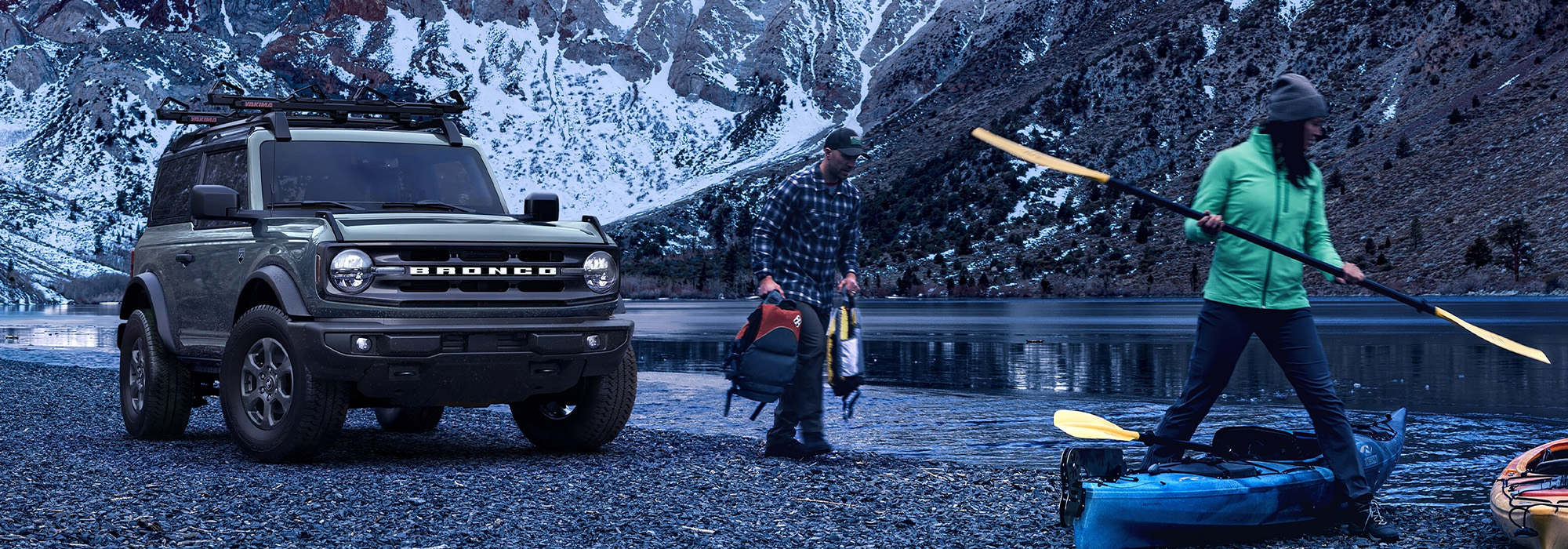
What is Ford Snow Mode?
Ford Snow Mode, sometimes called Slippery Mode, is a selectable drive mode designed specifically for slick surfaces, including snow, ice, and wet roads. It is designed to help navigate challenging terrains, including deep snow. Part of the Ford Expedition’s Terrain Management System™, Snow Mode is one of seven available drive modes and can also be found on other Ford models. Ford Snow Mode helps your Ford gain better traction in challenging winter conditions by reducing throttle response and smoothing gear shifts.
How Ford Snow Mode and Traction Control Work
When you switch your Ford to Snow Mode, several adjustments are made to optimize accelerator pedal response and performance on slippery surfaces. Here’s what changes.
- Throttle Response and Gear Shifting: Snow Mode reduces throttle sensitivity, making it easier to avoid sudden acceleration that could cause wheel spin. It also optimizes shifting, which means the vehicle moves into higher gears more smoothly to maintain stability. These adjustments contribute to improved performance handling in winter conditions.
- Four-Wheel-Drive Adjustments: If your Ford has a 4WD system, Snow Mode engages it to ensure all wheels receive power for improved traction.
- Stability and Traction Control: Ford Snow Mode fine-tunes systems like stability control, ABS, and traction control, helping to prevent skidding and enhance control.
- Driver Comfort Adjustments: Some Ford models even adjust the feel of the brake pedal and steering wheel to give the driver more precise control on slick surfaces.
Whether you’re driving a Ford Explorer, Ford Escape, or Ford Expedition, or Ford F-150, Snow Mode helps create a smoother, safer experience in winter conditions.
Benefits of Snow Mode
Using Ford Snow Mode offers several advantages, especially when driving in snow or on ice. Key benefits include:
- Improved Traction Control: Snow Mode minimizes wheel slip, giving you more control on snowy and icy surfaces.
- Enhanced Safety: Snow Mode keeps the vehicle stable, helping to prevent skidding and sliding.
- Optimized Performance in Snowy Conditions: Snow Mode optimizes the vehicle’s performance even in deeper or wetter snow by adjusting engine response and other settings.
Ford Snow Mode also optimizes performance in wet snow conditions, ensuring better traction and stability.
Comparison to Normal Mode
In Normal Mode, Ford vehicles balance performance, comfort, and fuel efficiency for everyday driving. Unlike Sport Mode, which enhances driving performance by increasing accelerator pedal response and lowering gear retention for quicker acceleration, Snow Mode dials down throttle response and prioritizes stability to match the demands of icy and snowy roads. If you switch back to Normal Mode, your vehicle’s settings will return to a more responsive driving style suited for dry roads.
When to Use Snow Mode in Deep Snow
Ford Snow Mode is ideal for:
- Snowy and Icy Conditions: Use it in snow, ice, or when the roads are slick due to freezing rain.
- Wet Conditions: Snow Mode can be helpful even on wet roads, providing added stability when rain reduces traction.
- Hilly Terrain in Snow: Snow Mode is beneficial when driving uphill or downhill on snowy or icy slopes.
How to Activate Snow Mode
Activating Ford Snow Mode is straightforward. On most Ford models, rotate the drive mode dial on the center console until you reach “Snow” or “Slippery” mode. Your instrument cluster display will update to show Snow Mode’s activated settings, including changes to traction and stability controls.
Tips for Winter Driving with Ford Snow Mode
- Consider Snow Tires: For the best winter performance, use snow tires or winter tires, which provide extra traction.
- Take it Slow: Snow Mode helps, but driving carefully is still essential. Avoid sudden movements and hard braking.
- Stay Aware of Snow Mode’s Limits: Snow Mode is an aid but isn’t a substitute for cautious winter driving practices.
Limitations of Snow Mode
While Ford Snow Mode significantly improves handling on slick surfaces, it may not fully compensate for very worn tires or highly icy conditions. Snow Mode can also feel slightly slower to respond, requiring more accelerator input to get up to speed.

Embrace Winter with Confidence
Ford Snow Mode is an invaluable tool for improving winter driving safety and comfort. The Ford Explorer’s Snow Mode, Ford Escape’s Snow Mode, Ford Expedition’s Snow Mode, Ford F-150’s Snow Mode, and Ford Bronco Sport’s Snow Mode make these popular models ideal for winter driving. By understanding how Ford Snow Mode works and knowing when to activate it, you can confidently navigate winter roads.
For a closer look at how Ford Snow Mode can benefit you this winter, stop by Blake Ford and speak to one of our team members. We’re here to answer your questions and help you choose the perfect Ford model for tackling harsh winter conditions.
Connect with us

